Scars That Remain After Forgiveness
-
by
KLS Admin
Understanding the Difference Between Forgiveness and Consequences
God is faithful and just to forgive us when we confess our sins. Scripture gives us the assurance that forgiveness is real, complete, and rooted in God’s mercy and grace. But forgiveness does not always mean that every earthly consequence of our actions immediately disappears.
This is the central message of **“Scars That Remain After Forgiveness.”**
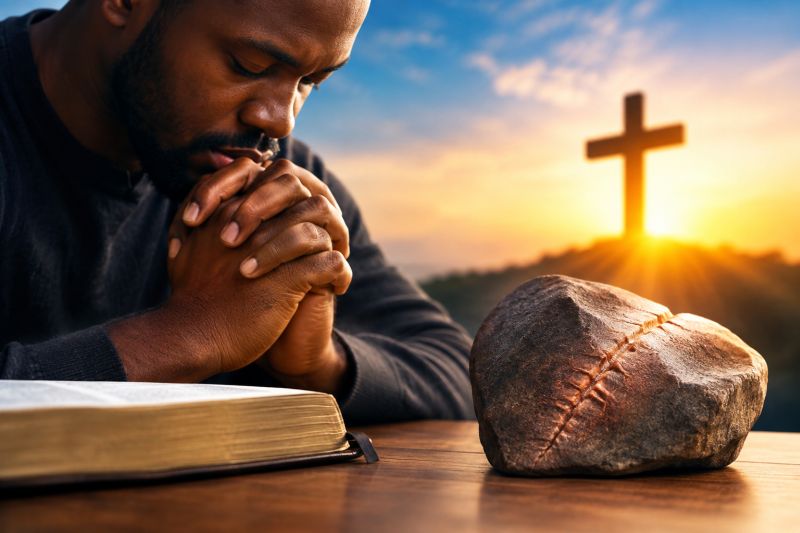
A physical wound may heal completely while leaving a scar. The scar is evidence that healing has taken place, but it also reminds us that an injury once existed. In the same way, a person can receive forgiveness from God and still live with the consequences or reminders of past actions.
Forgiveness Does Not Cancel Every Consequence
One of the most misunderstood subjects in Christianity is the relationship between God’s forgiveness and the consequences of sin.
When God forgives, our standing before Him changes. Guilt is removed, fellowship is restored, and condemnation is taken away for those who repent and trust in Christ. Yet the earthly effects of our actions may remain.
The law of sowing and reaping is presented as a serious principle: what we sow, we reap. A thief may be forgiven by God and still have to serve a prison sentence. A person who has broken trust may be forgiven, but rebuilding that trust may take years. A leader who damages his reputation may receive God’s forgiveness while still experiencing limitations in ministry or relationships.
Grace does not give us permission to treat sin casually.
The Greater Responsibility of Leadership
The message also highlights the responsibility that comes with leadership.
What a leader does—or fails to do—can affect more than the individual. It can affect a family, a church, a community, or even future generations.
The biblical examples of David, Achan, Gehazi, Eli and his sons, Moses, Adam and Eve, Peter, and Samson demonstrate different aspects of this principle. Their stories remind us that spiritual restoration and earthly consequences can exist at the same time.
David confessed his sin and received forgiveness, yet the consequences of his actions continued to affect his household. Moses continued to have fellowship with God, but his disobedience at the rock meant that he did not enter the Promised Land. Peter was restored after denying Jesus, but the experience shaped his ministry and contributed to his humility and vigilance.
These stories are not merely about people who lived thousands of years ago. They are warnings and lessons for us today.
Scars Can Become Lessons
Why would God allow some scars to remain?
The message gives several important reasons.
First, scars remind us that **sin is serious**. We live in a generation where people often use softer words to reduce the gravity of sinful actions. But sin carries a cost, and its consequences can teach us to take God’s commands seriously.
Second, scars can produce **humility**. Failure can remove pride and self-reliance. When we recognize our weakness, we learn again that we need God.
Third, scars can teach **future generations**. Our experiences can become warnings to others. What happened in our lives can help someone else avoid making the same mistake.
Fourth, scars can develop **compassion**. We are often most critical in the areas where we believe we are strong. But when we have experienced failure and received grace, we can become more understanding toward people who are still struggling.
Fifth, scars can remind us of **God’s sustaining grace**. When we look back and see what God has brought us through, gratitude becomes deeper. We recognize that restoration was not simply the result of our own strength.
Finally, scars can help us **keep eternity in view**. Our temporary experiences should not make us lose sight of the eternal hope we have in Christ.
Do Not Abuse Grace
The message strongly challenges the idea that we can deliberately continue in sin because God will always forgive us.
There is a dangerous difference between falling into sin, genuinely repenting, and seeking restoration—and deliberately planning to sin because we assume forgiveness will always be available.
Grace should lead us to repentance, obedience, humility, and vigilance, not presumption.
Repeatedly ignoring the warnings of conscience can harden a person. Eventually, what once troubled the heart may begin to feel normal. The message therefore calls believers to be careful about what they see, hear, think about, and expose themselves to.
“Guard your heart” requires intentionality.
Spiritual Check-Up
Just as we regularly examine our physical health, believers should examine their spiritual lives.
We should ask:
Am I truly walking in obedience to God?
Have I allowed sin to become normal in my life?
Am I depending on my position, gifts, ministry, or reputation instead of God?
Have I confused visible success with spiritual approval?
Is there something I need to confess and turn away from?
Am I leaving a blessing or a problem for the people coming after me?
A large ministry, miracles, gifts, influence, or public recognition should never become substitutes for obedience.
The real evidence of love for God is obedience to His commandments.
Do Not Play Church
One of the strongest challenges in the message is the call to authenticity.
It is possible to appear spiritual in public while living differently in private. But God sees the heart.
The believer is called to live transparently—not as one person in church and another person outside church.
The goal is not merely to look religious. The goal is to know God, obey Him, seek Him wholeheartedly, and allow His character to be reflected in our lives.
The Question Is Personal
The stories of David, Moses, Adam and Eve, Peter, and Samson ultimately point back to us.
Where are you?
Are you taking God’s grace for granted?
Are you allowing sin to damage the inheritance God has placed in your life?
Are you willing to turn away from what is pulling you away from God?
If God were to examine your life today, would He find genuine obedience?
The message leaves us with a simple but profound reminder: **forgiveness is God’s gift, but obedience is our response.**
We should learn from our scars without returning to the wounds that caused them.
May our failures produce humility, our restoration produce gratitude, and our lives become examples that point future generations toward God.
Final Reflection.
God is merciful, faithful, and forgiving. But He is also just. His grace should never be treated as permission to continue in sin.
Some scars may remain, but they do not have to define us. They can remind us of the seriousness of sin, the depth of God’s mercy, the importance of obedience, and the greatness of His restoring grace.
The question is not simply whether God has forgiven you.
The question is: **What will you do with the grace you have received?**
May we live carefully, walk humbly, guard our hearts, and keep our eyes fixed on Christ.
Amen.
Latest Post
- What Jesus Did: Raising People Who Look Like Christ
- Scars That Remain After Forgiveness
- Dealing With the Inside Job: Confronting What Is Hidden Within
- Representing God’s Kingdom in Everyday Life
- Resolving Marital Conflicts God’s Way
- Dealing With the Pressures of Life: Trusting God When You Don’t Understand
- Living With a Sense of Destiny
- Appearance Christianity: When Faith Becomes a Performance
- The Beatitudes on the Plain: A Call to True Transformation
- The Mind of Christ: Embracing Humility, Love, and the Kingdom of God
- Navigating Widowhood
- How to Pursue Your Divine Purpose with Endurance and Eternal Focus
- The Life-Transforming Miracle: How Divine Encounters Change Destiny Forever
- Why Godly People Still Suffer
- Stewardship, Integrity, and Faithfulness in God’s Kingdom
- The Power at Work in Us
- How the Holy Spirit Empowers Believers to Change the World
- Understanding the Two Kingdoms and Our Eternal Inheritance
- Why the Greatest Gift God Desires Is Your Heart